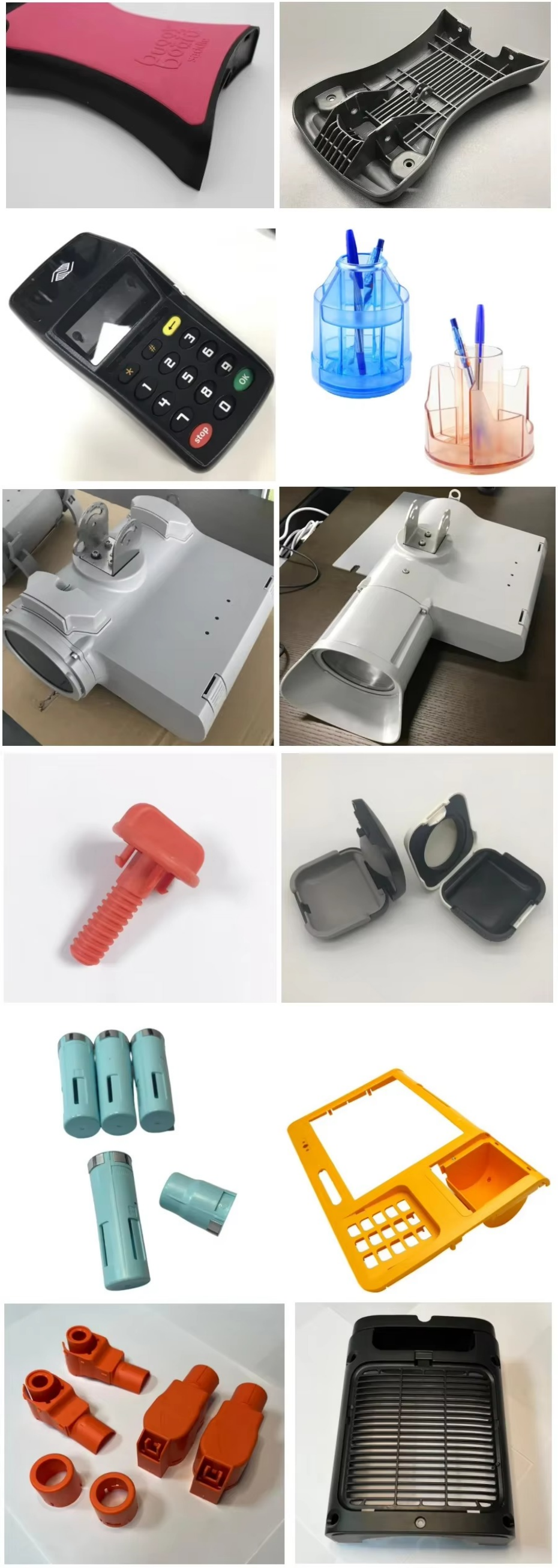
Durable Electronic Plastic Housing for Enclosures
Plastic Enclosure electronic boxes form an integral part of the devices that will protect circuit boards, sensors, and electronic components, and the method of injection molding forms the most common way of manufacturing such devices owing to its efficiency and accuracy.
Core Mold Design Requirements for Electronic Boxes
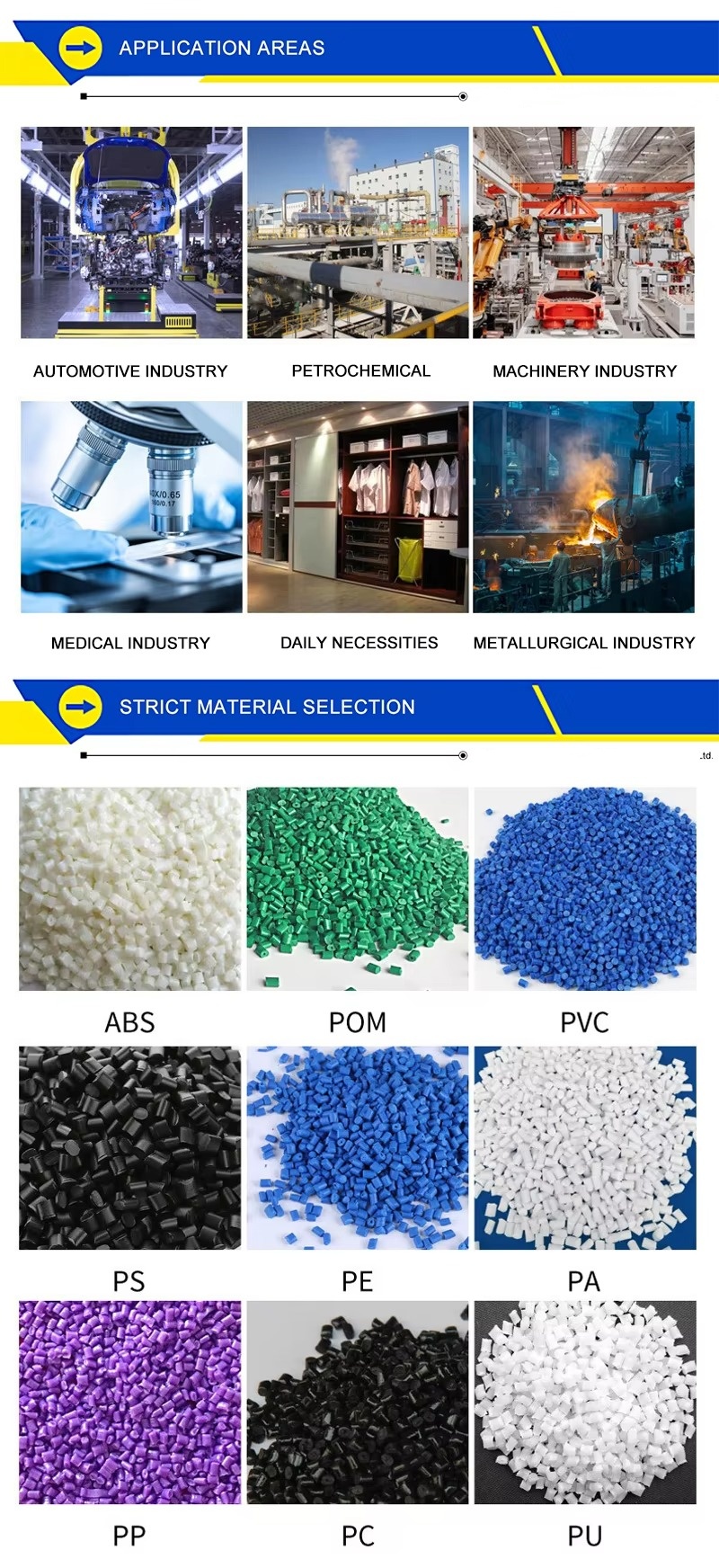
- Dimensional Compensation of the Mold to Address Material Shrinkage: Based on the shrinkage rate (0.5%-0.8% ABS; 0.6%-0.9% PC), make sure that the dimensional compensation is made to fit the electronic box and its internal parts such as PCB boards and connectors.
- Waterproof and Sealing Structure Design:
- Make grooves for rubber seals (the width of 2-3 mm, the depth of 1-1.5 mm) in order to make it IP65/IP67 waterproof.
- Use interlocking buckles as well as screw fixing in order to improve sealing and facilitate the process of assembling.
- Draft Angle and De-Molding Optimization: Make the draft angle of 1°-3° for both inner and outer walls in order to prevent demolding marks; for complex-shaped electronic boxes, use the core-pulling mechanism to make sure of the easy demolding of deep cavities (threaded holes, ribs, etc.).
- Gating System Design: Use submarine or edge gates in order to avoid the marks left by the gates on the surface; for large electronic boxes use multi-gating system in order to provide uniform filling and reduce internal stresses.
- Cooling System Design: Evenly arrange the channels for cooling water around the mold cavity (10-15 mm from the surface of the cavity).
Application Scenarios
- Consumer Electronics: Router enclosures, power adapter shells, smart home control boxes.
- Industrial Control: PLC enclosures, sensor junction boxes, industrial instrument housings.
- Outdoor Electronics: Monitoring camera enclosures, solar controller boxes, communication base station signal boxes.
- Automotive Electronics: Vehicle-mounted control unit enclosures, battery management system (BMS) boxes.