Key considerations and processes involved in plastic injection molding:
1. Molding cycle: This includes injection time and product cooling time. Effective control of these times has a profound impact on product quality.
Before injection molding, the molding cycle should be clearly defined through sample design and other methods.
2. Mold temperature: Different plastic granules have different crystallization temperatures and rates, resulting in different requirements for product appearance, deformation, dimensions, and mold properties.
This means that the mold temperature control will vary depending on the type of plastic used and the product requirements.
3. Injection pressure: Plastic faces significant resistance as it fills the mold cavity. Therefore, the injection pressure directly determines the product's dimensions, weight, density, and appearance.
Affecting any of these factors will render the product unusable. Injection engineers need to rationally determine and control the injection pressure based on a comprehensive assessment of the product's factors.
4. Injection speed: The injection speed has a significant impact on the product's appearance quality. Injection speed is generally achieved by adjusting the amount of oil supplied to the injection cylinder per unit time.
V. Barrel temperature and melt temperature: Melt temperature can be measured at the nozzle or using an air jet method. Melt temperature plays a major role in the flow properties of the melt.
Plastics do not have a specific melting point; the so-called melting point is a temperature range in a molten state.
Controlling both of these temperatures plays a crucial role in product quality.
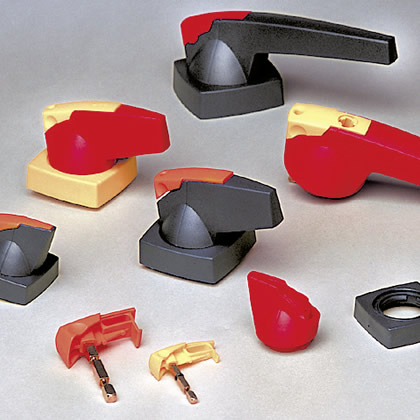
HUIWEN Professional Injection Plastic Parts ,like Household appliances plastic parts, Automotive Plastic parts, agricultural tools plastic parts, medical equipment plastic parts, toys plastic parts, food bottles, boxes, buckets and so on.