


Send Message
Privacy statement: Your privacy is very important to Us. Our company promises not to disclose your personal information to any external company with out your explicit permission.
Select Language

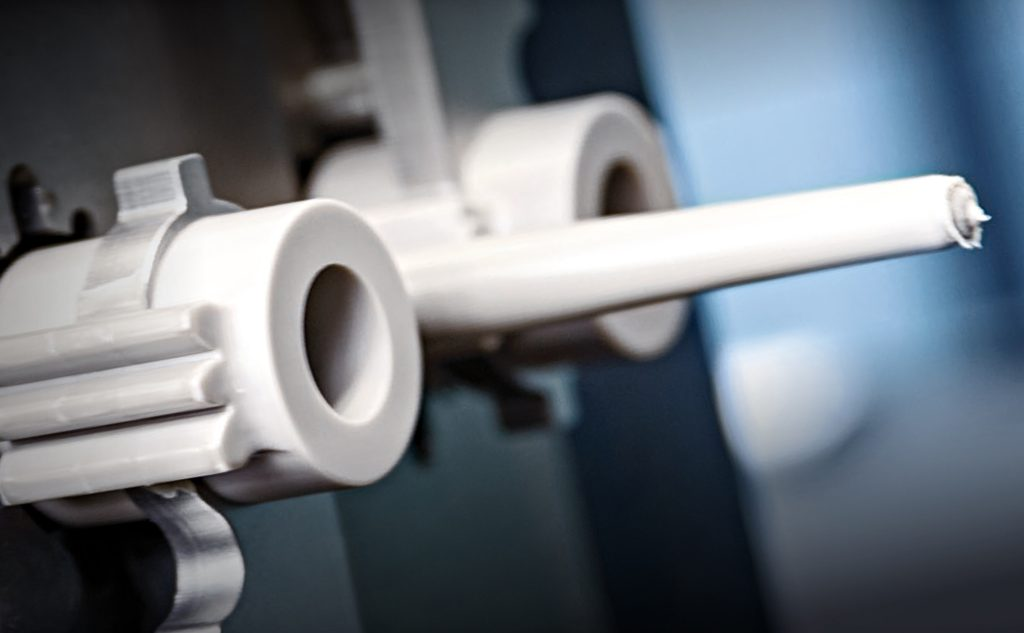
Everything You Need to Know About Injection Molding
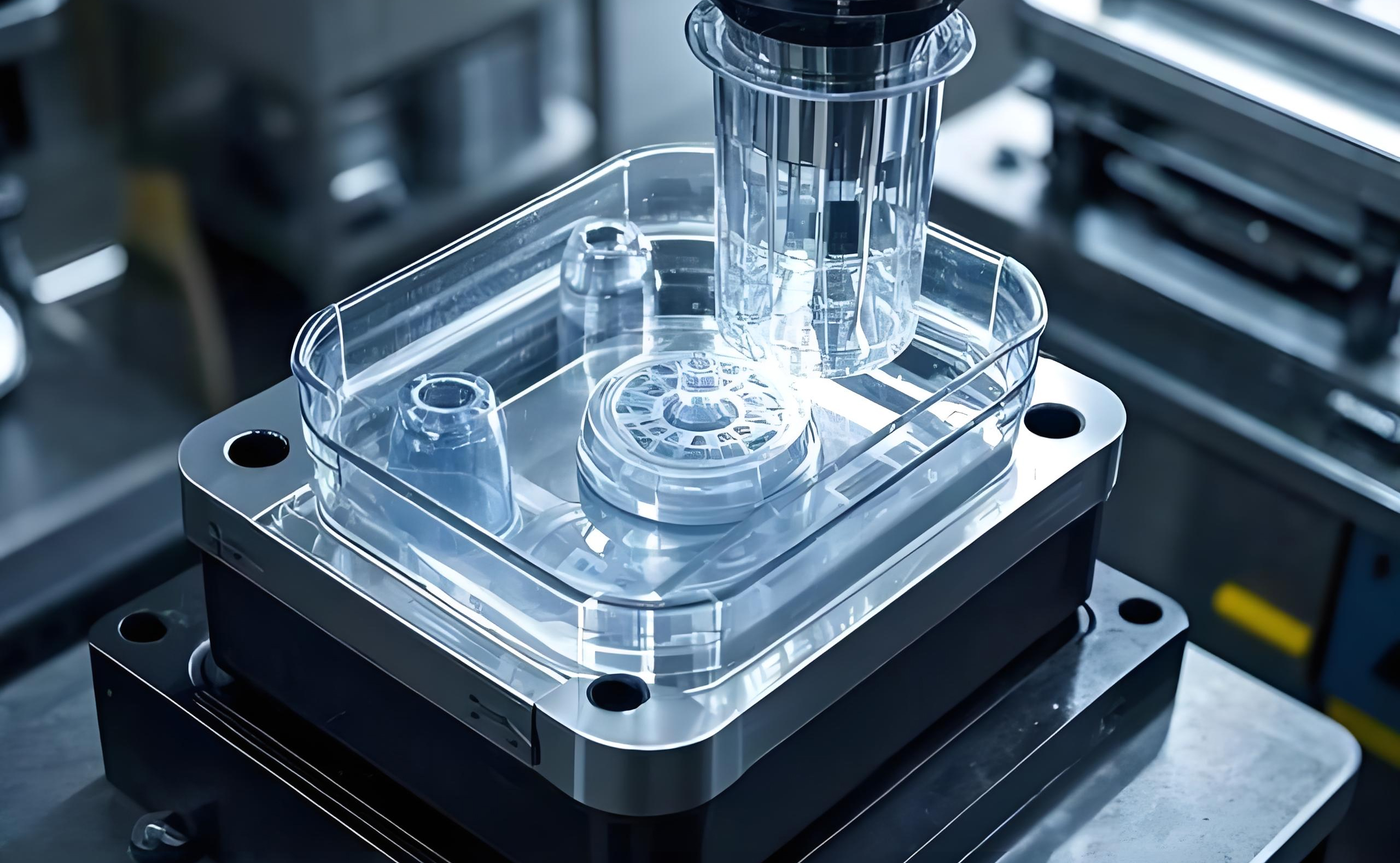
What is Injection Molding? Plastic injection molding is a manufacturing process that allows for the rapid, high-volume production of finished parts. It works by injecting molten material into a mold, most commonly used for thermoplastic and thermosetting polymers. Thanks to the high performance of high-tech polymers, this process is widely used in the production of plastic parts for industries such as medical, aerospace, automotive, and oil and gas, enabling the finished products to...
What are the advantages and disadvantages of ABS plastic?
Advantages: 1. High strength: ABS plastic has very high strength, much higher than ordinary plastics, and has good impact resistance and rigidity. Good wear resistance: ABS plastic has high surface hardness and good wear resistance. Good processability: ABS plastic is easy to process and can be made into complex shapes through injection molding, extrusion, etc. It can be cut, drilled, welded, and spliced. Good chemical resistance: ABS plastic has good corrosion resistance to many...

30 Common Problems and Solutions in Plastic Injection Molding
1. Blending and Insufficient Glue in Products During Initial Start-up and After a Period of Production: Causes and Solutions When the machine is first started, the molten plastic in the injection molding machine's barrel has a low viscosity and good flowability due to prolonged heating, making the product prone to blistering. After a period of production, the molten plastic continuously carries away heat, resulting in insufficient molten plastic, higher viscosity, and poor flowability,...

What is PC material? What are its advantages and disadvantages?
Advantages of PC PC is an amorphous thermoplastic resin with excellent comprehensive performance. It possesses excellent electrical insulation, elongation, dimensional stability, and chemical corrosion resistance, as well as high strength, heat resistance, and cold resistance. It also has advantages such as self-extinguishing, flame retardancy, non-toxicity, and colorability. PC plastic can be found in almost every aspect of your life. Its large-scale industrial production and ease of...
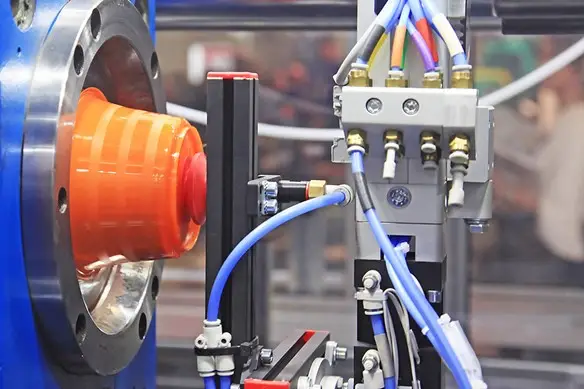
UV Stabilizers are chemicals used in plastics, coatings, fibers, and other materials to reduce or prevent material aging caused by ultraviolet (UV) radiation. They absorb UV radiation, converting it into harmless heat, or stabilize it through photochemical reactions, thus protecting the material from damage. Here are some common types of UV Stabilizers: UV Absorbers - These compounds absorb UV radiation and convert it into lower-energy heat or harmless wavelengths, thus preventing UV damage...
What are some common problems in injection molding?
Injection molding is a highly efficient and common method for producing plastic parts, but some common problems may arise during actual production, affecting the product's quality, appearance, and function. Here are some common problems encountered during injection molding and their possible causes: Flow marks and burns: Flow marks are linear marks on the plastic surface, often caused by excessively fast material flow or uneven mold temperature; burns are black spots or blemishes caused by...

What are the main materials used in injection-molded optical lenses?
Injection-molded optical lenses are typically made from the following high-transparency plastic materials, each with unique optical and physical properties: 1. Polycarbonate (PC): High impact resistance and good heat resistance. High light transmittance, but sensitive to ultraviolet light. 2. Acrylic (polymethyl methacrylate, PMMA or Acrylic): Also known as plexiglass or Plexiglas (trade name). Excellent light transmittance and weather resistance, more UV resistant than...
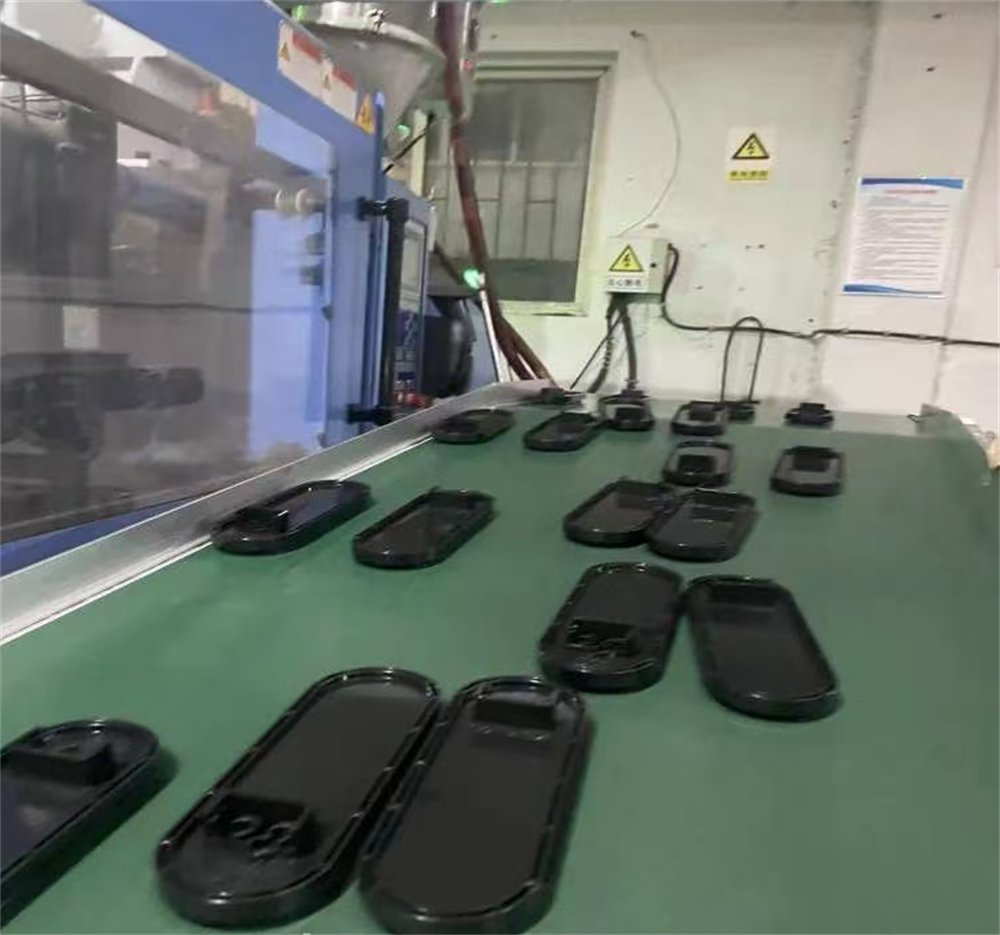
PMMI is an abbreviation for Poly(Methyl Methacrylate Isomers), generally referring to a polymer material similar to common polymethyl methacrylate (PMMA, also known as acrylic or plexiglass), but containing different isomers in its molecular structure. PMMI's physical and optical properties are similar to PMMA, but it can have a higher glass transition temperature (Tg), providing better thermal and dimensional stability. In optical lens applications, a higher glass transition temperature...

Which has better toughness, Nylon 6 (PA6) or Nylon 66 (PA6)?
Nylon 6 (polyamide 6, PA6) and Nylon 66 (polyamide 66, PA66) are two of the most common types of polyamides, each with its own unique performance advantages. Toughness generally refers to a material's resistance to fracture; it is less prone to breakage when subjected to external impact. Nylon 6 (PA6) is generally considered to have better toughness than Nylon 66 (PA66), especially in low-temperature environments. The molecular structure of PA6 results in slightly higher hygroscopicity than...
Is there a difference between COP and COC materials?
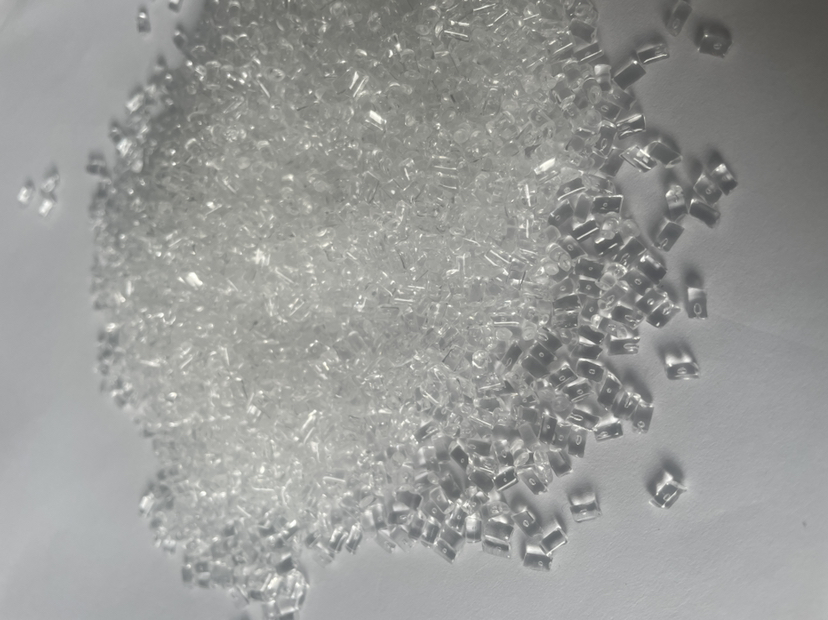
COP and COC are essentially the same material in the raw material market; they are very similar. The specific difference lies in the grade designation and specifications. COP (Cyclic Olefin Polymer) and COC (Cyclic Olefin Copolymer) are two different thermoplastic polymers commonly used in bioscience, medical devices, and optical applications. Their main differences lie in their molecular structure and performance characteristics. COP materials, or cyclic olefin polymers, are typically...
Which has better weather resistance, EVA or PET?
"Eva" usually refers to ethylene-vinyl acetate copolymer (EVA), while "PET" usually refers to polyethylene terephthalate (PET), a commonly used plastic material. Weather resistance refers to a material's ability to resist the effects of external factors such as sunlight, temperature changes, humidity, and rain when exposed to outdoor or similar environments. This property is usually related to the material's chemical structure and additives. EVA is an elastic material with good flexibility,...

What additives are used to improve the scratch resistance of plastic products?
Plastic products are prone to scratches, affecting their appearance and performance. To improve the scratch resistance of plastics, specialized additives are usually added. Here are some common anti-scratch additives: Silicone oil and silane coupling agents: Silicone oil acts as an external lubricant, reducing the coefficient of friction on the plastic surface, making it less prone to scratches during frictional contact. Silane coupling agents improve the hydrolysis resistance and chemical...
What are the best weather-resistant injection molding materials?
Common materials with good weather resistance include: - ASA/PC: Excellent cold resistance, high heat resistance, and weather resistance. Recommended for exterior automotive applications such as rearview mirrors, radiator grilles, tailgates, and lamp covers. Also suitable for all-weather housings in motorcycle panels, campervans, small boat hulls, surfboards, garden irrigation equipment, lawnmower housings, sewing machines, telephones, kitchen equipment, and satellite antennas....

In which fields are plastic friction-resistant additives used?
Plastic friction-resistant additives are widely used in the following fields: 1. Automotive Industry: Used in the manufacture of automotive interior parts, engine components, transmission system parts, etc., to reduce friction and wear between components, improving service life and performance. 2. Electronics and Electrical Appliances: In products such as wires and cables, connectors, and electrical appliance housings, they enhance the wear resistance of plastics, ensuring they maintain...

Acetal Material Overview I. Definition and Properties of Acetal Acetal (polyacetal), also known as polyoxymethylene (POM) or polyoxymethylene (POM), is a thermoplastic engineering plastic. It possesses excellent comprehensive properties, including high strength, high rigidity, high wear resistance, excellent dimensional stability, and chemical stability. Acetal material has low hygroscopicity, allowing it to maintain stable dimensional and mechanical properties even in humid environments....
What are the advantages and disadvantages of PPE+PS material?
What are the advantages and disadvantages of PPE+PS material? This material possesses excellent electrical insulation and water resistance, good dimensional stability, and a heat distortion temperature between 90 and 175°C. PPE+PS composites have wide applications in electronics, automotive, chemical, and medical device industries. For example, they are used in lithium-ion battery packaging materials, automotive dashboards and bumpers, corrosion-resistant equipment manufacturing, and as a...
What's the difference between FPM and PKM?
What's the difference between FPM and PKM? Both FKM and FPM are fluororubbers, but FKM is the European abbreviation, while FPM is the American abbreviation. Fluororubbers can be divided into three basic types: fluorocarbon rubber, fluorosilicone rubber, and fluorinated phosphazene rubber. Fluororubber is a special synthetic elastomer. Its main chain or side chains have carbon atoms bonded with highly electronegative fluorine atoms. Due to the high C-F bond energy (485 KJ/mol) and the...
Is PC (polycarbonate) material corrosion-resistant?
Is PC (polycarbonate) material corrosion-resistant? Answer: Yes, PC is corrosion-resistant. PC, or polycarbonate, has good chemical stability and can withstand the corrosion of most chemicals. It has good resistance to weak acids, including citric acid and acetic acid, but in high-concentration or strong acid environments, such as nitric acid and concentrated sulfuric acid, PC will corrode and dissolve. Similarly, PC exhibits good stability in neutral and weakly alkaline environments, such as...

Why do dents and shrinkage marks appear on injection molded parts?
The main reasons for dents and shrinkage marks on injection molded parts are as follows: I. Material Factors 1. High Material Shrinkage Rate Different plastic materials have different shrinkage rates. If a material with a high shrinkage rate is selected, it is prone to significant volume shrinkage during the cooling process after injection molding, leading to dents and shrinkage marks. For example, some crystalline plastics such as polyethylene (PE) and polypropylene (PP) have...

What are some medical plastics and their common applications?
Medical plastics are a class of plastic materials used in the medical field. They possess various properties and have a wide range of applications. Below is some important information about medical plastics: I. Commonly Used Medical Plastics and Their Characteristics: **Polyvinyl Chloride (PVC):** Characteristics: Low cost, wide range of applications, easy to process, good chemical resistance, but poor thermal stability. Uses: Commonly used in the manufacture of blood bags, various...
Causes and Solutions for Injection Molding Shortages in Injection Molding Production
Injection molding shortages are a common problem in the injection molding process. The following are the causes and corresponding solutions: I. Injection Molding Process Parameters Insufficient Injection Pressure Causes: Faulty hydraulic components in the injection molding machine's injection system, such as worn oil pumps or leaking valves, can prevent the injection pressure from reaching the set value, resulting in insufficient flow of the molten plastic in the mold cavity. Poor...
Modified PBT (Polybutylene Terephthalate): Common Problems and Solutions
Common Problems and Solutions for Modified PBT Polybutylene terephthalate (PBT) possesses excellent comprehensive properties, such as high crystallinity, rapid molding capability, weather resistance, low coefficient of friction, high heat distortion temperature, good electrical properties, excellent mechanical properties, fatigue resistance, and ultrasonic welding capability. However, it has low notched impact strength, high molding shrinkage, poor hydrolysis resistance, and is susceptible...

Comparison of Shrinkage Rates of Common Injection Molding Plastics
Plastic shrinkage rate refers to the percentage reduction in size of a plastic product relative to the mold cavity size after it has cooled to room temperature after being removed from the mold. It is a crucial parameter in plastic molding, affecting dimensional accuracy, appearance quality, and many other aspects of the plastic product. Influencing Factors **Properties of the Plastic Material Itself:** Different plastics have different molecular structures and crystallinity, leading to...

What is Glass Fiber Reinforced Polymer (GFRP)?
Glass Fiber Reinforced Polymer (GFRP), commonly known as fiberglass, is a fiber-reinforced composite material made with synthetic resin as the binder matrix and glass fiber and its products as reinforcing materials. Here is a detailed introduction: Composition Glass Fiber: The main load-bearing material, characterized by high strength and lightweight, with outstanding performance. It improves the low-temperature impact resistance and stiffness of the composite material and reduces the...
Privacy statement: Your privacy is very important to Us. Our company promises not to disclose your personal information to any external company with out your explicit permission.
Fill in more information so that we can get in touch with you faster
Privacy statement: Your privacy is very important to Us. Our company promises not to disclose your personal information to any external company with out your explicit permission.