


Send Message
Privacy statement: Your privacy is very important to Us. Our company promises not to disclose your personal information to any external company with out your explicit permission.
Select Language

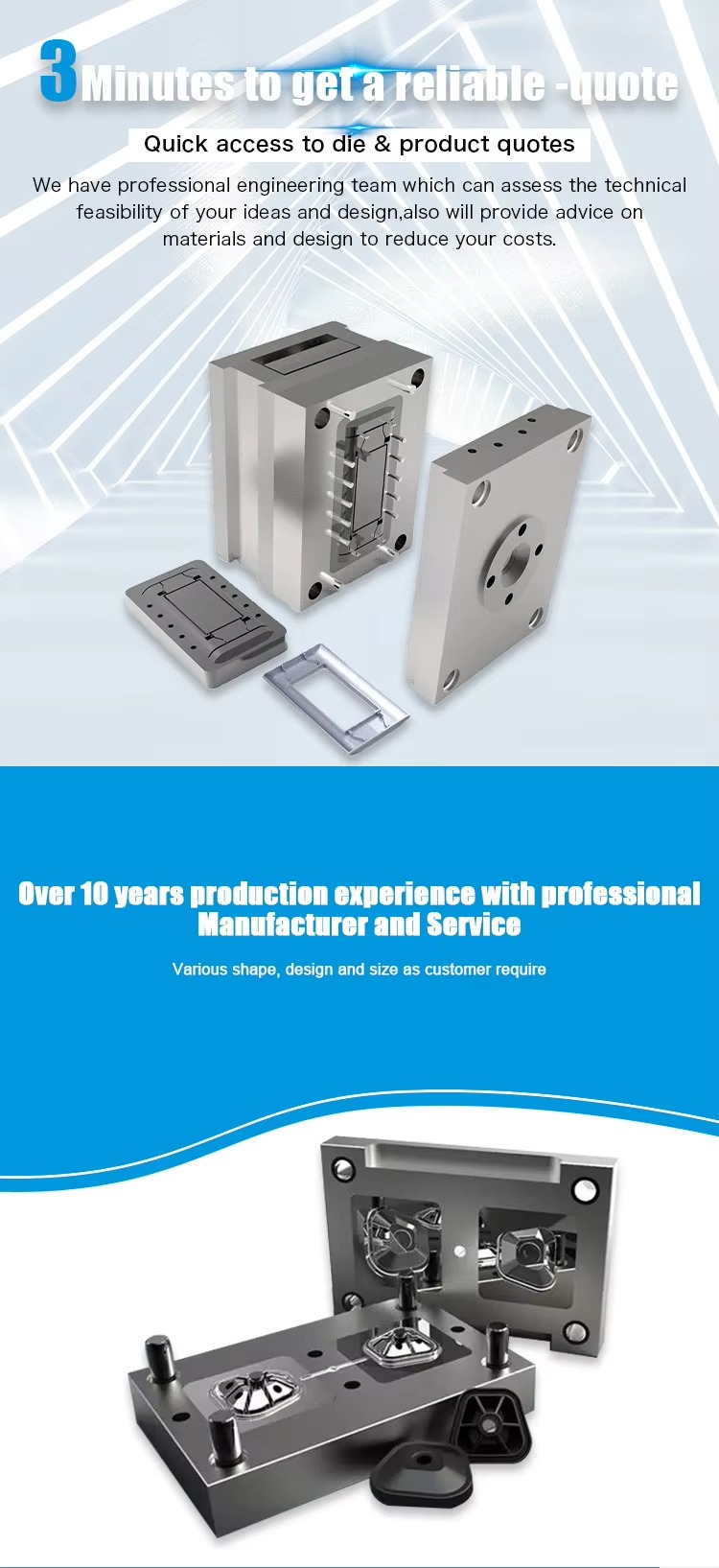
Factory Direct Sales Plastic Part Custom Plastic Injection Parts
ZIBO HUIWEN can custom Plastic Injection Parts . ZIBO HUIWEN ,a professional manufacturer focusing on factory direct sales plastic parts and custom plastic injection parts, officially kicked off a new round of intelligent production line upgrade in early March 2026. The project adds high-precision injection molding equipment, automated mold change systems, and online quality inspection stations, further shortening lead times for custom injection molding while stabilizing dimensional accuracy...

Surface Finish Options Supported for Injection Molded Plastic Parts
Surface Finish Options Supported for Injection Molded Plastic Parts 1: Standard Surface Finish Most manufacturers typically choose SPI C-1, depending on the geometry and draft angle. Internal non-decorative surfaces are usually machined. 2: SPI SPI surface finish is a set of finishing process standards established by the Plastics Industry Association (SPI) to indicate the surface finish of finished parts. Molds can be polished or textured mechanically or manually to enhance performance....

China Plastic parts Injection Molding Services
Injection Molding Services China Plastic parts We offer professional engineering assessments and detailed design guidance for injection molding, embedding molding, and secondary molding services. We provide comprehensive mold making and parts manufacturing services. Suitable for mass production of plastic parts Professional engineers provide full lifecycle guidance Advantages of Injection Molding Professional Team Support From initial design checks to smooth communication with...
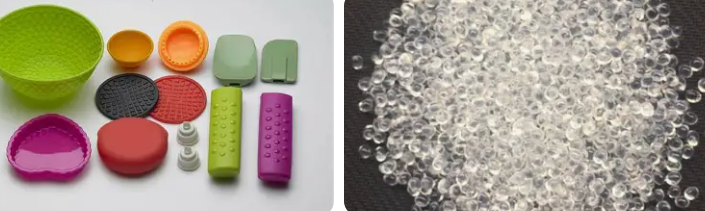
Properties, Uses, and Processing of TPE Plastic!
Thermoplastic Elastomer (TPE) TPE possesses the processing characteristics of thermoplastic materials and feels like rubber. TPE belongs to the family of thermoplastic synthetic rubbers, including TPO (thermoplastic olefin) and TPS (thermoplastic styrene). These are engineering polymers that, in most cases, provide toughness and hardness. TPE is typically molded using injection molding, blow molding, or extrusion. Material Characteristics: Elastic, easily colored, available in various...
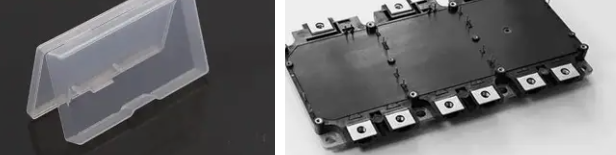
Properties, Uses, and Processing of PS Plastic!
Polystyrene (PS) Polystyrene, like many polymers, was discovered accidentally. Styrene was discovered in the mid-19th century, but it wasn't commercially developed until the 1930s. Related polymers in the styrene family include ABS, SAN, SMA, and ASA. Today, it is one of the most widely used plastic raw materials. Material Characteristics: Good clarity, high strength, simple processing, easy to color, cheaper than other polymers, high transparency, strong water and moisture resistance,...

Phenolic Resin Plastics: Properties, Uses, and Manufacturing Process!
Phenolic Resin Abet Laminati was founded in Bra, Italy in 1957. Since then, the company has been at the forefront of innovation in the production of various laminates, including DIAFOS in 1987 – the first transparent laminate material. The company has collaborated with some of the most renowned designers of the 20th century, including Memphis Group and Alchimia design studio, and is known for exploring the texture of product surfaces. "Color Layer" is a unique product produced by Abet...
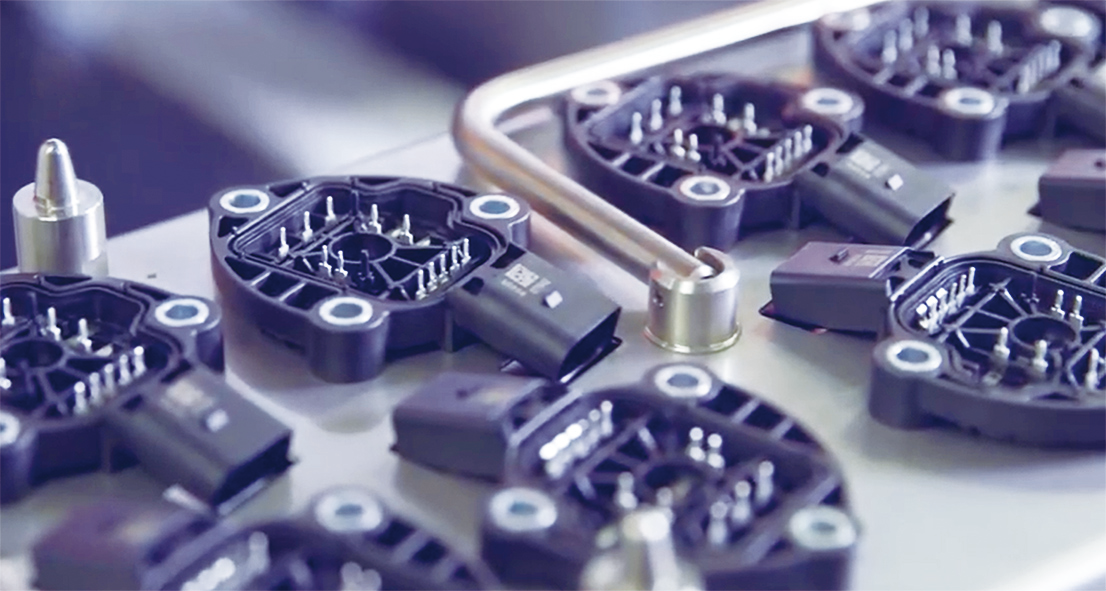
PC Plastic: Properties, Uses, and Processing!
Polycarbonate (PC) As a modern material, polycarbonate (PC) is used in this product to exemplify a typical object and shape. The direct reference for this design might be the wooden ladder you found in your grandmother's basement. Instead of wood, this product is made from another modern material perfectly suited for this function. Polycarbonate, like other polymers, is hard yet lightweight and can be offered in a variety of colors and finishes. As a relatively young member of the...

Properties, Uses, and Manufacturing Process of Silicone Resin Polymer Plastics!
Silicone Resin Polymer In 1943, a Scottish engineer, James Wright, was conducting mixture experiments in a test tube at the General Electric Company laboratory in Connecticut, USA. He accidentally mixed boric acid with silicone oil, causing them to "polymerize." When Wright extracted this sticky mixture from the test tube, he dropped some on the floor. Surprisingly, the substance bounced off the floor, and thus, elastic putty was born. Wright decided to find a practical use for his...

Properties, Uses, and Processing of PU Plastic!
Polyurethane Technoge (PU) This skin-like material breathes and stretches, yet can be molded into various thicknesses and shapes. These properties were initially applied in the medical and orthopedic industries, used as cushioning material for hospital patients. Technoge is one of the materials that has been experimentally applied to new and more common household product areas. Technoge is a combination of both liquid and solid states. The liquid can be poured into molds to obtain products,...

Characteristics, Uses, and Processing of PVC Plastic!
Polyvinyl Chloride (PVC) PVC is perhaps one of the most widely used plastic materials, found almost everywhere, from everyday plastic doors and windows to water pipes, gutters, shoes, cable insulation, toys, injection molded products, extruded products, glass assembly, packaging, credit cards, and more. PVC is also one of the relatively inexpensive plastic materials. Material Characteristics: Elastic, easy to color, available in various hardnesses, can be extruded, injection molded and...

Properties, Uses, and Manufacturing Process of PET Plastic!
Polyethylene Terephthalate (PET) PET is commonly used in food and soft drink packaging. However, due to beer's sensitivity to oxygen and carbon dioxide, PET is not suitable for packaging beer. The plastic bottles have five layers; two layers sandwiched between the main PET layers are oxygen scavengers, preventing oxygen from entering or escaping. Miller Brewing Company, which produced the first plastic beer bottle in 2000, claims that the plastic bottle keeps beer colder than aluminum cans...

Properties, Uses, and Processing of CA Plastic!
Cellulose Acetate (CA) Cellulose acetate products have a warm feel, are sweat-resistant, and self-luminous. It is a traditional polymer with bright colors and a syrup-like transparency. Its development began in the early 20th century, even before Bakelite. Due to its marble-like effect, cellulose acetate is often used in products such as tool handles, eyeglass frames, and hair clips, making it one of the most easily recognizable polymers. Using it as a material for hand tools combines its...

PMMA Plastic: Properties, Uses, and Manufacturing Processes!
Polymethyl methacrylate (PMMA) Acrylics began to be developed in the 1930s, primarily for use in the rotating tops of safety glass. Acrylic material was first registered in 1934 as the well-known Plexiglas. The perfect combination of transparency and lightness made it an interesting new type of plastic. By the 1960s, this material was discovered by avant-garde furniture designers and applied in modern furniture and other interior environments. Because acrylic offers a wide range of color...

PP Plastic: Characteristics, Uses, and Processing!
Polypropylene (PP) The design work for PP is not limited to creating beautiful shapes and perfecting functions, but often involves finding ways to reduce unit price and processing costs while avoiding large-scale production. Simply put, it's about finding a product that is suitable for mass production, utilizing economies of scale to reduce unit costs, without requiring high investment and high production volumes typically associated with large-scale manufacturing. It is widely used in...

Properties, Uses, and Processing of ABS Plastic!
ABS Engineering Plastic Acrylonitrile-butadiene-styrene (ABS) is a thermoplastic synthetic polymer resin with excellent balanced properties that can be tailored to specific needs. Its main physical characteristics are: hard and strong. Certain grades of ABS resin can exhibit flexibility similar to synthetic rubber (or rubber). Polybutadiene provides good compressive strength, the non-crystalline styrene thermoplastic makes ABS easier to process (easier to flow in molds), while acrylonitrile...

molding PLastic parts for Smart Consumables
for Smart Consumables HUIWEN plastic parts is a polypropylene-based conductive compound designed for demanding consumable applications in healthcare and laboratory settings. It delivers excellent surface resistivity control, low extractables, and is suitable for high-purity environments. Its injection moldability and stable performance make it a preferred choice for: Disposable medical electrodes (e.g. ECG, EEG sensors) Electrochemical sensing platforms Lab-on-a-chip and microplate...

Where Antimicrobial Plastics Are Used?
Where Antimicrobial Plastics Are Used? Agricultural tools and componentsHandles, housings, and working parts that are exposed to dirt, moisture, and repeated handling in outdoor environments. Shared tools and consumer productsEquipment and accessories that are passed between users, including gardening tools, sports gear, and household items. Public-facing surfacesPlastic parts in environments like schools, transport, healthcare facilities, and gyms — including switches, panels, and touch...

HUIWEN in the CHINA: Your Local Partner for Electrically Conductive Plastics
Our China Presence HUIWEN PLATIC has over 20 years of global leadership in conductive plastics. To better serve our North China customers, we’ve expanded our footprint with a dedicated manufacturing facility in Shandong, North China. This investment is about more than production — it’s about building resilient supply chains, fostering local partnerships, and ensuring reliable access to high-quality, ESD-safe materials, right where you need them. State of Art Manufacturing Plant Our...

special Circuit breaker plastic shells and plastic parts
special Circuit breaker plastic shells and plastic parts Talking with us freely ! Special circuit breaker plastic shells and parts, often high-performance thermoplastics like polycarbonate or nylon, provide insulation, durability, and heat resistance for enclosing breaker components, used in Miniature Circuit Breakers (MCB) and Molded Case Circuit Breakers (MCCB), protecting against faults and hazards, with customization available for specific electrical environments. These plastic...

What are the advantages of injection molding? Custom Injection Molding for Aerospace Applications
What are the advantages of injection molding? Custom Injection Molding for Aerospace Applications Injection molding is a process where plastic is first added to a mold, and then the mold rotates continuously along two perpendicular axes while being heated. Under the influence of gravity and heat energy, the plastic inside the mold gradually and evenly coats, melts, and adheres to the entire surface of the mold cavity, forming the desired shape, which is then cooled and solidified. Compared...

The Purpose of Injection Mold Polishing-perfect plastic parts
Talking with us freely ! Injection mold polishing has two purposes: one is to increase the surface finish of the mold, resulting in a smooth, beautiful, and aesthetically pleasing surface on the molded product; the other is to facilitate easy demolding, preventing the plastic from sticking to the mold and making it difficult to remove. The following points should be noted during injection mold polishing: (1) When a new mold cavity begins processing, the workpiece surface should be...
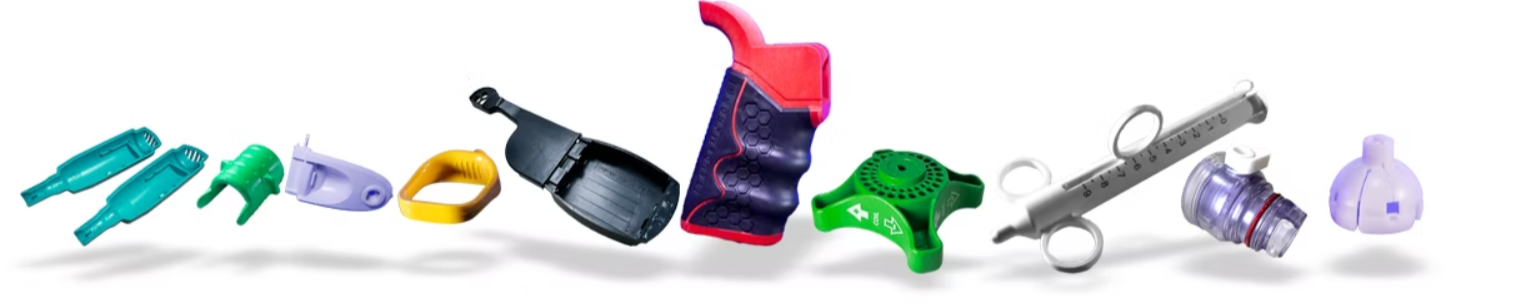
the nine most common plastics for electronic enclosures-2
Continue to explain the remaining 4 materials: Talking with us freely ! 6. Polycarbonate + Acrylonitrile Butadiene Styrene (PC+ABS Blend) Polycarbonate and Acrylonitrile Butadiene Styrene are some of the most commonly used plastics for electronic enclosures. A PC+ABS thermoplastic blend combines the positive qualities of both PC and ABS. The automotive, electronics, and telecommunications industries widely use PC+ABS blends. Attributes Has a very high impact strength Can withstand...
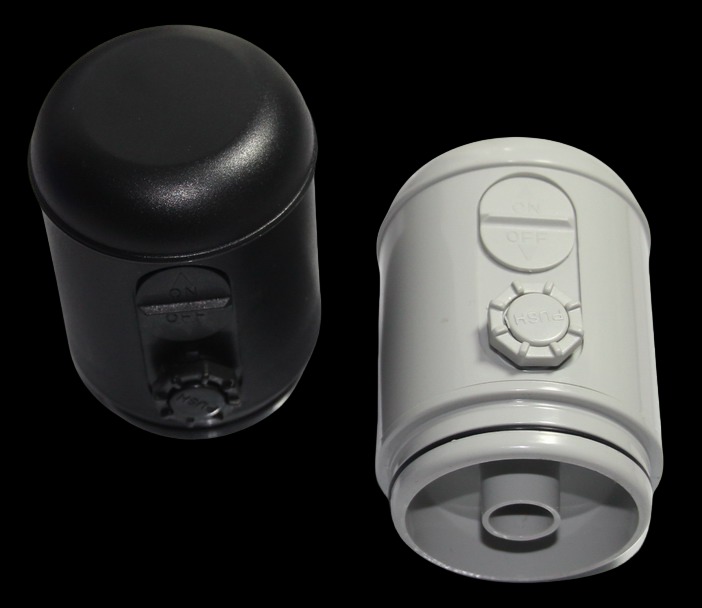
the nine most common plastics for electronic enclosures-1
Choose the Right Plastic. Choose HUIWEN Plastics ! Below are the nine most common plastics for electronic enclosures: Acrylonitrile Butadiene Styrene (ABS) Acrylonitrile Styrene Acrylester and Polycarbonate (ASA+PC Blend) Polyamide (PA) Polybutylene Terephthalate (PBT) Polycarbonate (PC) Polycarbonate + Acrylonitrile Butadiene Styrene (PC+ABS Blend) Polymethyl Methacrylate, Acrylic, Plexiglas (PMMA) Polyphenylene Ether+Polystyrene (PPE+PS) Styrene Ethylene Butadiene Styrene (SEBS) A more...

Applications of Injection Molding Molds-Refrigerator Plastic Parts Injection Molding and Mold Making
Applications of Injection Molding Molds-Refrigerator Plastic Parts Injection Molding and Mold Making Injection molding is one of the important methods of material forming. Compared with mechanical processing, it has fewer processing steps, high material utilization, low energy consumption, easy production, and high efficiency. Therefore, it is widely used in the production of daily necessities in industries such as automotive, energy, machinery, electronics, information, and aerospace....
Privacy statement: Your privacy is very important to Us. Our company promises not to disclose your personal information to any external company with out your explicit permission.
Fill in more information so that we can get in touch with you faster
Privacy statement: Your privacy is very important to Us. Our company promises not to disclose your personal information to any external company with out your explicit permission.