


Send Message
Privacy statement: Your privacy is very important to Us. Our company promises not to disclose your personal information to any external company with out your explicit permission.
Select Language

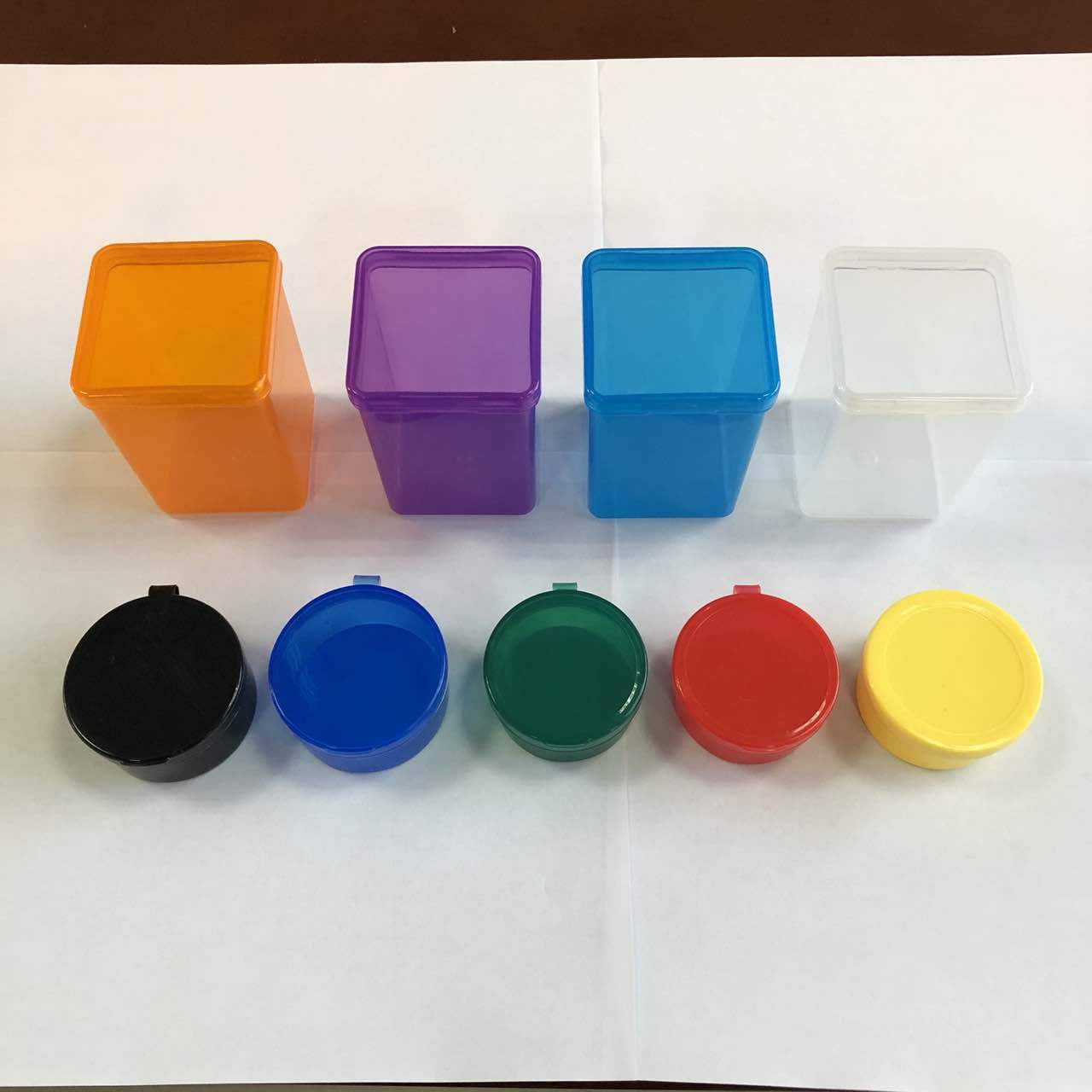
Injection molding plastic parts- Safe/ High-Quality Plastics for Packaging Applications
Plastics are one of the most commonly used materials in the packaging industry, with a wide range of applications, from plastic shopping bags to reusable plastic water bottles. Compared to other materials, plastics are more affordable, easy to mold, and readily available. HUIWEN Plastics is committed to sourcing and producing the highest quality plastic materials for the packaging industry. Some common types of plastics used in packaging include: PET for various types of plastic...

First, do not focus solely on product design and neglect plastic mold manufacturing. Some users, when developing prototypes or new products, only focus on product development and design, neglecting communication with plastic mold manufacturers. After initially determining the product design plan, there are two advantages to contacting the mold manufacturer in advance: 1. To ensure that the designed product has good molding processability and that the design will not be changed due to...

Injection Molding Drives Rapid Industry Development-plastic Components in the aerospace field
Many industries require professional molds for product manufacturing. In the past, wooden and iron molds were commonly used. While these materials are still used today, they are not the dominant force in the market. The most popular mold types are now based on common materials. The importance of injection molding manufacturers is growing in this market, and the demand for practical injection-molded products is increasing. Injection molding manufacturers are driving rapid industry...
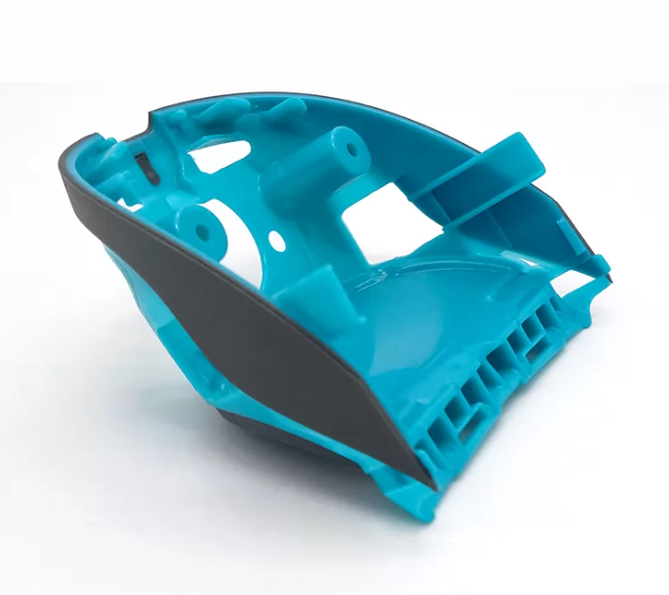
What Injection Mold Engineers Need to Consider During Product Development
What Injection Mold Engineers Need to Consider During Product Development In the early stages of new product development, product engineers need to consider the rationality of mold design and manufacturing. Many users focus on the speed of product design and development, thus neglecting the rational communication of injection molds. 1. Ensure the rationality of the product structure manufactured by the mold, improve the mold design scheme, and enhance the product molding quality. 2. Mold...
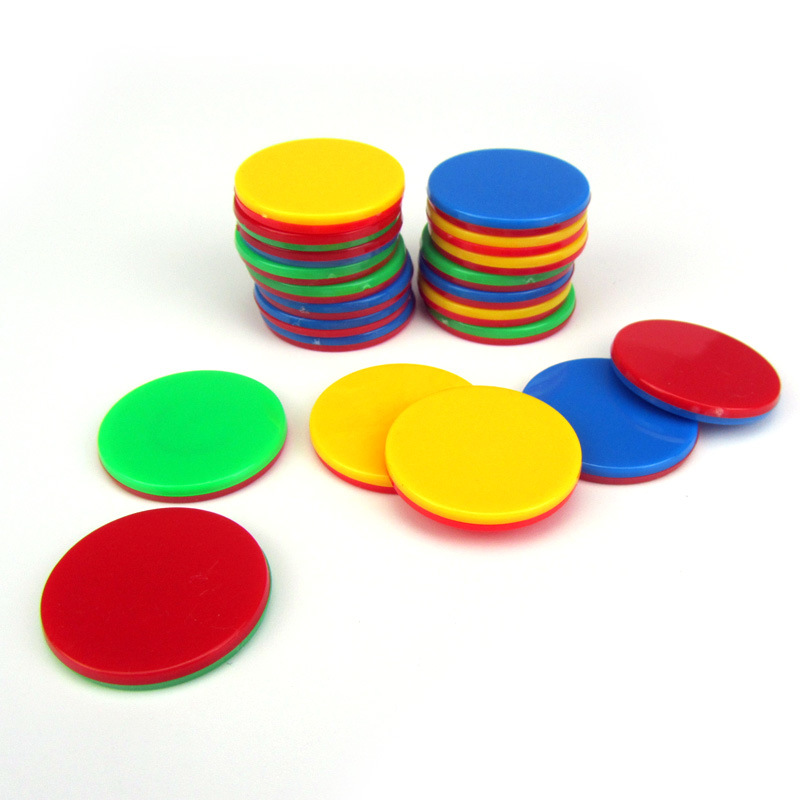
Understanding the Principles of Two-Color Injection Molding
The principles of two-color injection molding are as follows: 1. The front mold has two different shapes, each molding one type of product, while the rear mold has two identical shapes. 2. The sprue of the three-plate mold is designed for automatic demolding, making the process more convenient. Special attention should be paid to the reliability of the demolding action of the soft-plastic sprue. 3. The front and rear molds rotate 180 degrees around their center, ensuring they align...
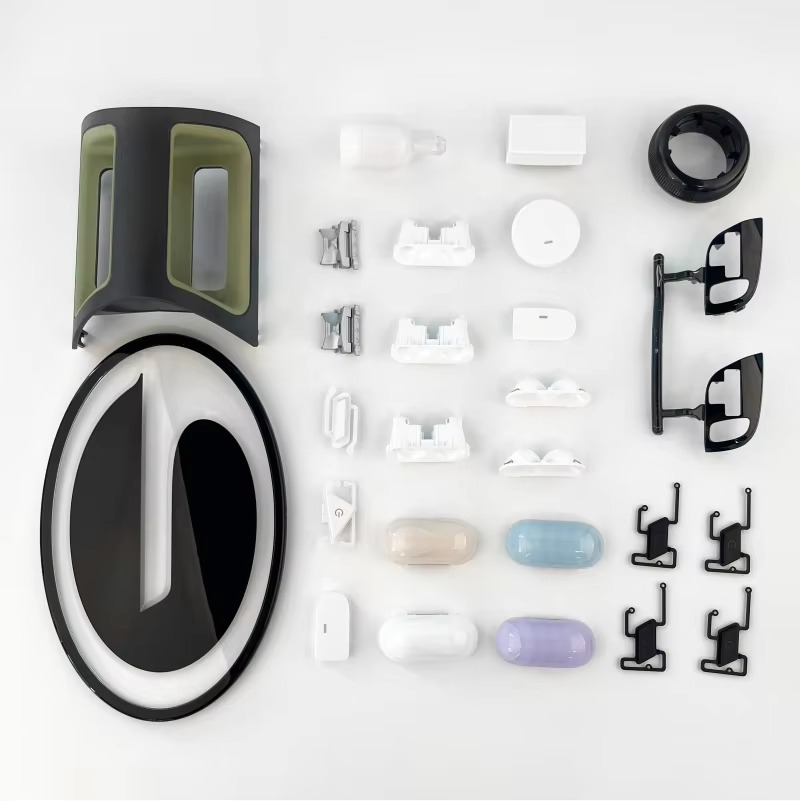
Solutions for Weld Lines in Precision Injection Molding
Solutions for Weld Lines in Precision Injection Molding During precision injection molding, if the leading edges of two or more streams of molten material have cooled before they meet, preventing complete fusion, a linear groove is created at the junction, forming a weld line. Generally, weld lines are easily caused in precision injection molding. The reasons for this problem in precision injection molding are summarized as follows: I. Cause: Poor mold venting. First, check if the melt or...
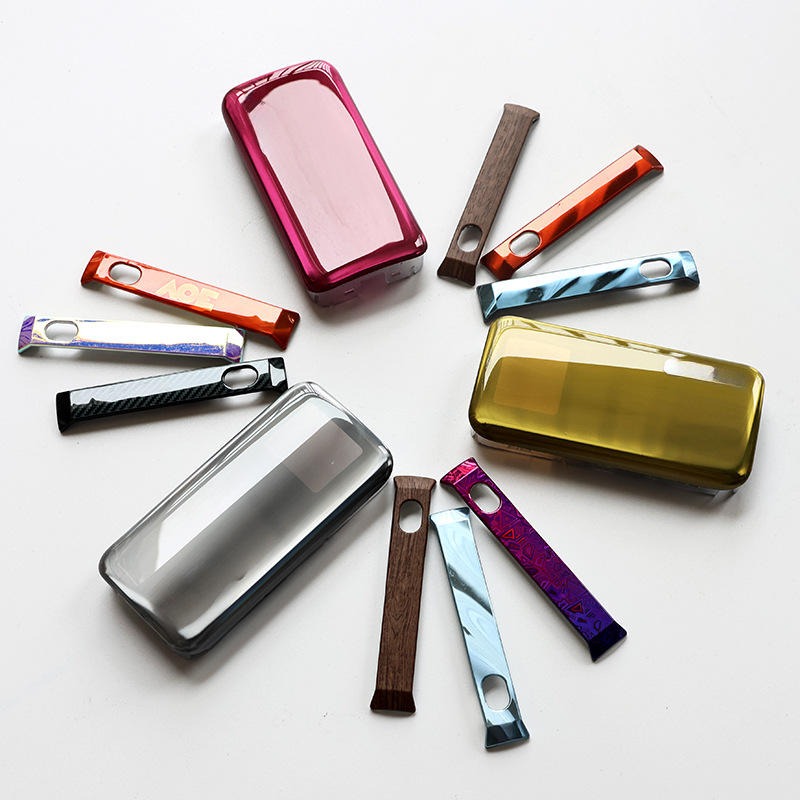
A Brief Analysis of the Operating Conditions for Plastic Injection Molding
Under what circumstances should a mold temperature controller be used to heat the mold, and when should a chiller be used to cool the plastic mold? Below are some conditions for injection molding. 1. Mold Closing Pressure: In principle, it should be greater than the total pressure of the plastic injected into the mold, with the goal of preventing burrs. 2. Pressure and speed have a partial relationship acting on the mold. The purpose is to ensure that the raw material enters the mold...

How to Judge the Quality of Extrusion Molds
Extrusion molds are now widely used. If quality isn't considered during selection, it can seriously affect normal use later. Today, the Suzhou Plastic Mold editor will discuss how to judge the quality of plastic molds. First, when choosing a mold, you must check its thickness. Although molds don't require excessive force or harsh environments, frequent demolding and ejection can easily cause wear and deformation. Increasing the mold's thickness solves these problems. Therefore, thickness...
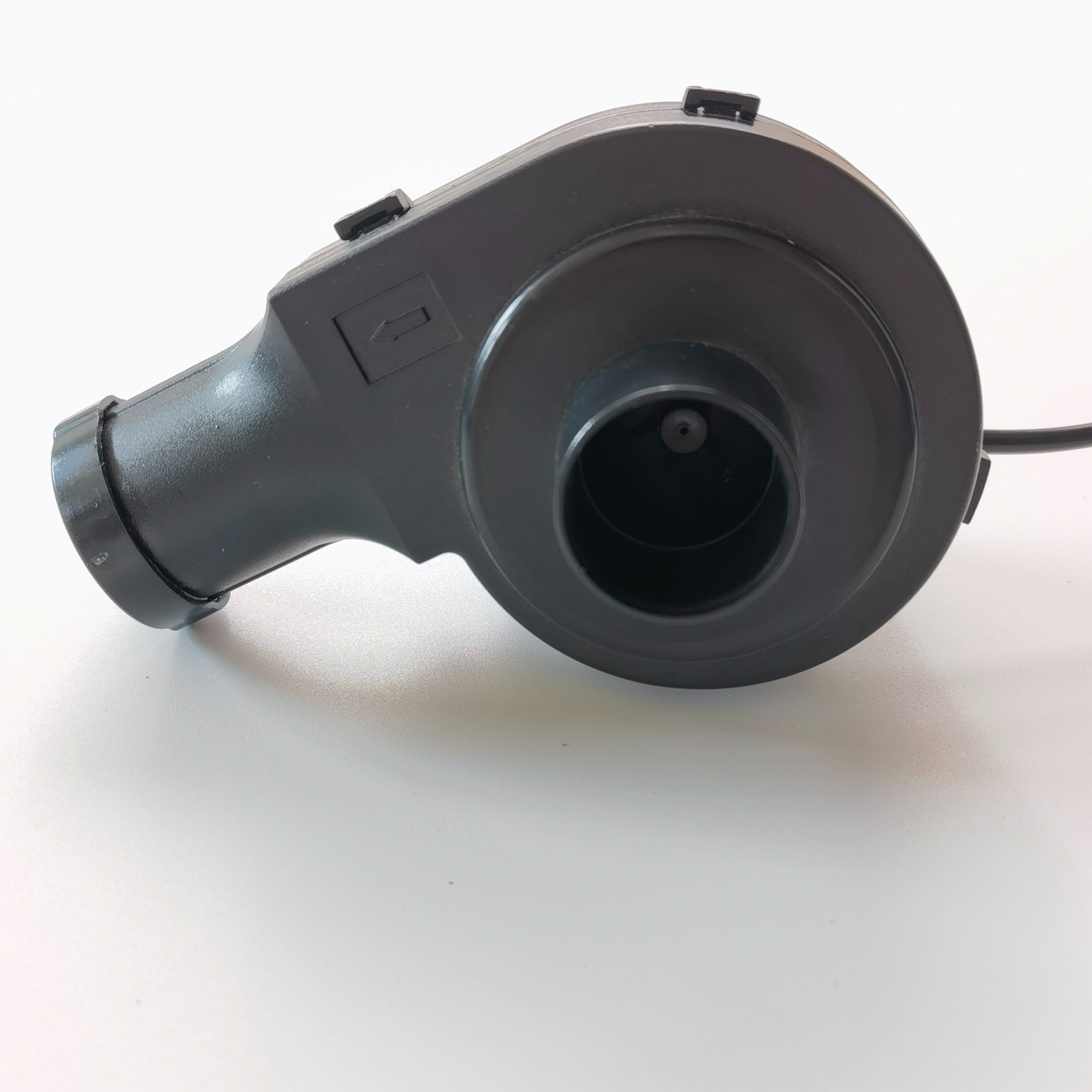
A Brief Discussion on Factors Affecting the Hardening Speed of Injection Molding
A Brief Discussion on Factors Affecting the Hardening Speed of Injection Molding Injection molded parts are now widely used, and the number of companies engaged in injection molding is increasing. When processing injection molded parts, we often need to pay close attention to the hardening speed, as a slow hardening speed will affect the efficiency of the process. So, what factors affect the hardening speed of injection molded parts? The hardening speed of injection molded parts is closely...
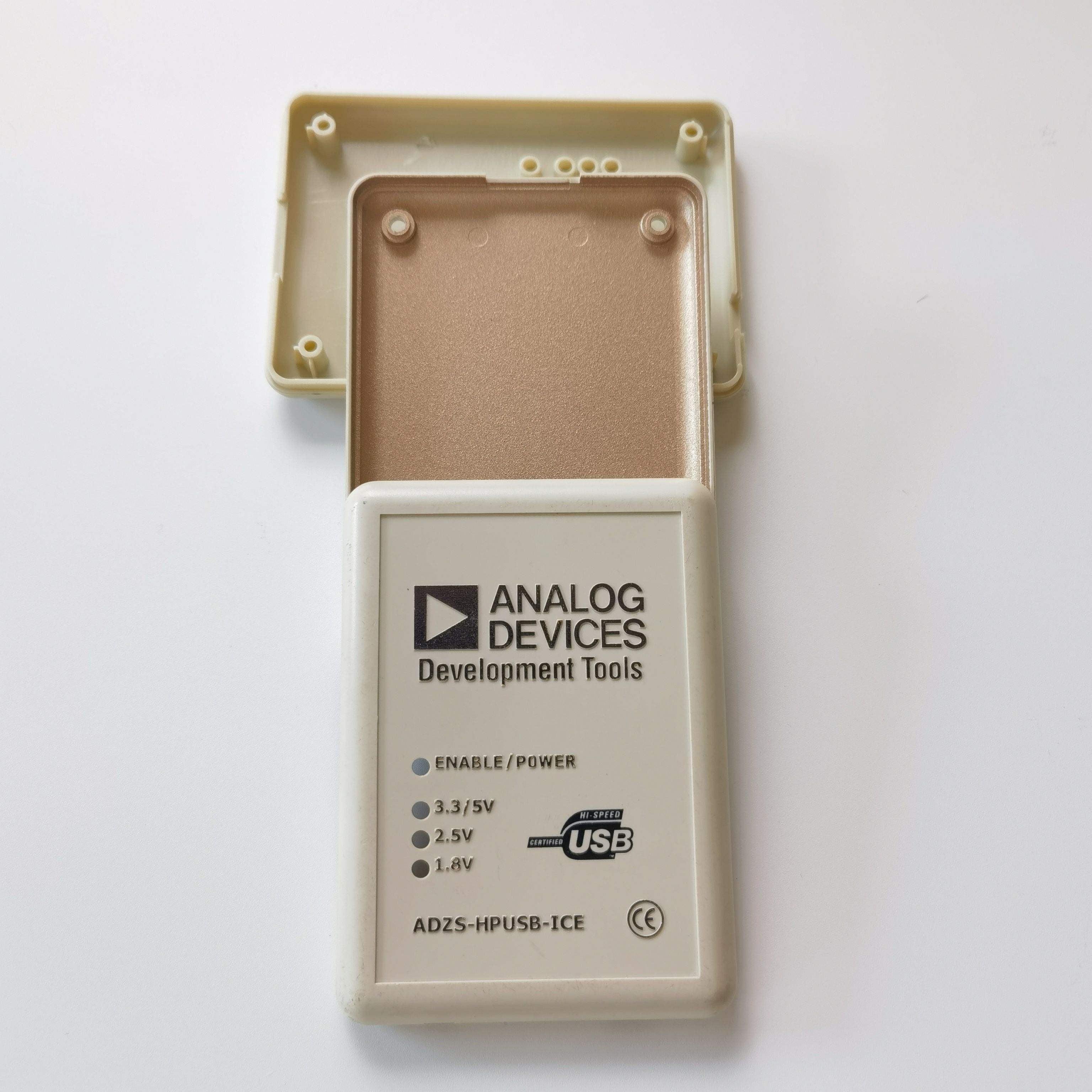
How to Avoid Odors in Injection Molding
When purchasing injection molded parts, we sometimes encounter situations where there is an unpleasant odor, which can significantly impact the user's health. So, how can we avoid odors during injection molding? Let's take a brief look. 1. Strictly Control the Use of Additives The tertiary amine catalysts used in the production of polyurethane foam can produce a strong odor and cause fogging on car windows. We can find substitutes for these amines using polyhydroxy compounds. Polyhydroxy...
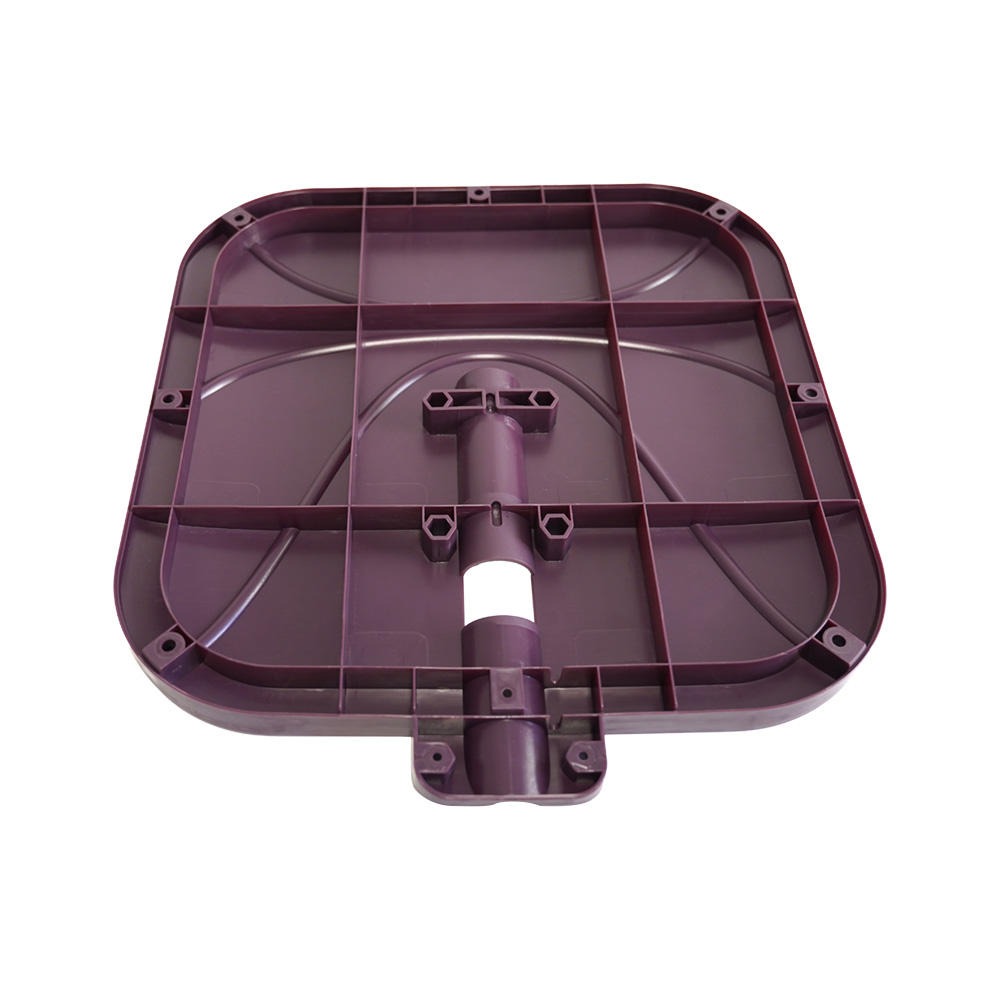
How to Improve Weld Line Formation in Injection Molding
Injection molding plants, many new injection molding technologies are used. Weld lines in plastic products occur when molten resin from different directions fails to fully fuse at the joint during the injection process. During injection, the two resin streams at the fusion point do not mix; therefore, the lower the temperature, the more obvious the weld line and the lower the strength. Conversely, the higher the temperature, the stronger the adhesion. The adhesion at the fusion point also...
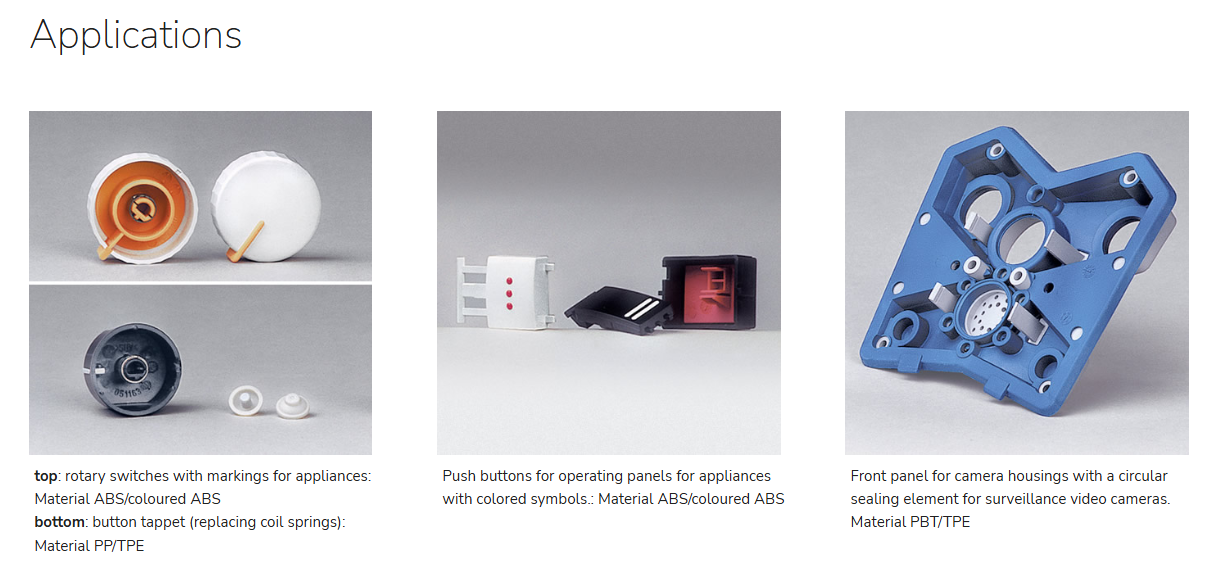
Plastic molds can be classified into three categories based on the type of gating system.
Plastic mold gating systems can be divided into three main categories based on different system types: (1) Gate molds: Gates and gating lines are simple to design, easy to process, and have low cost. Therefore, gate systems are increasingly used. (2) Nozzle molds: Gates and gating lines are not differentiated by type. Usually, a set of gating lines is designed directly in the product design. The design is more complex and difficult to process. Often, a fine nozzle system is selected...

Causes of Weld Lines in Injection Molding Products
During injection molding, molten plastic in the mold cavity may encounter insert holes, areas of discontinuous flow, or areas where the flow is interrupted, causing multiple streams to converge. Because these streams cannot fully fuse, linear weld lines are formed. Additionally, gate jetting during mold filling can also generate weld lines, resulting in poor strength and other properties at the weld lines. The main causes are analyzed as follows: 1. Processing Aspects: (1) Injection...
Common Injection Mold Faults and Troubleshooting Methods
Common Injection Mold Faults and Troubleshooting Methods The structure and processing of injection molds affect the quality of plastic parts. Sometimes, injection molds malfunction during production. How can we troubleshoot these? Today, DaLiang will share common injection mold faults and troubleshooting methods. 1. Guide Pillar Damage. Guide pillars in molds primarily serve a guiding function to ensure that the molding surfaces of the core and cavity do not collide under any...
Causes and Solutions for Vibration Marks in Injection Molding Products
Due to the different materials used in each product, defective products frequently occur during injection molding. For example, vibration marks often appear on rigid plastic products. What are the causes? Are there any good solutions? Causes of Vibration Marks in Injection Molding Products On the surface of rigid plastic parts such as PS near the gate, dense ripples form around the gate, sometimes called vibration marks. The cause is that when the melt viscosity is too high and it fills...

Causes and Solutions for Vibration Marks in Injection Molding Products
Due to the different materials used in each product, defective products frequently occur during injection molding. For example, vibration marks often appear on rigid plastic products. What are the causes? Are there any good solutions? Causes of Vibration Marks in Injection Molding Products On the surface of rigid plastic parts such as PS near the gate, dense ripples form around the gate, sometimes called vibration marks. The cause is that when the melt viscosity is too high and it fills...
What processes are involved in plastic injection molding?
Key considerations and processes involved in plastic injection molding: 1. Molding cycle: This includes injection time and product cooling time. Effective control of these times has a profound impact on product quality. Before injection molding, the molding cycle should be clearly defined through sample design and other methods. 2. Mold temperature: Different plastic granules have different crystallization temperatures and rates, resulting in different requirements for product...
Precautions for Polishing Injection Molds
Precautions for Polishing Injection Molds Polishing injection molds serves two purposes: one is to increase the smoothness of the mold, making the surface of the molded product smooth, beautiful, and aesthetically pleasing; the other is to facilitate easy demolding, preventing the plastic from sticking to the mold and becoming difficult to remove. Talking us freely if you have any question ! The precautions for polishing injection molds are as follows: (1) When starting to process a new...

Among many manufacturing industries, prototype model making is a challenging and creative field. As a prototype model manufacturer, we must not only focus on the precision and quality of our products but also on their appearance. Painting is a crucial step in giving prototype models a realistic look. Through years of experience in prototype model making, I have accumulated some painting insights, which I hope to share with everyone. I. Preparation is Crucial Preparation is key before...

Technical moulded parts for complex functions are created in our plastic divisions. Apart from standard materials, a wide variety of high performance thermoplastics are used (e.g. PEEK, PFA, PVDF, ETFE, E-CTFE). For special requirements, we also produce composite components. If you ever have any questions or specific concerns, we are there for you and can approach your requests in a flexible manner. With all our know-how. Plastic moulded parts are produced in our facilities in China. Feel free...

Custom PA Nylon Plastic Parts, POM Plastic Parts, and TPU Soft Plastic Parts
Custom PA nylon plastic parts, POM plastic parts, and TPU soft plastic parts are core services in the engineering plastics processing field, widely used in high-end manufacturing scenarios such as automotive, electronics, and medical. This article will elaborate on the key points, process specifications, and technological trends of these three types of plastic parts customization, providing precise technical references for customization needs. I. Material Characteristics and Customization...

TPU Seals, Polyurethane Seals, Oil Seals, Seal Injection Molds
TPU seals, polyurethane seals, and oil seals are core products in the industrial sealing field, widely used in engineering machinery, automotive manufacturing, hydraulic equipment, electronics, and many other industries. Seal injection molds are the key tooling for achieving large-scale, high-precision production of these seals. These three types of seals have clear hierarchical and overlapping relationships in terms of material properties and functional positioning, while the mold, as the...

TPU food-grade sealing rings, TPU medical-grade sealing rings, and TPU industrial sealing rings
TPU food-grade sealing rings, TPU medical-grade sealing rings, and TPU industrial sealing rings, as representative sealing products made of thermoplastic polyurethane, occupy an important position in key fields such as food processing, medical and health care, and industrial manufacturing due to their excellent elasticity, environmental adaptability, and processability. Although all three are derived from TPU material, their different requirements for safety, working condition tolerance, and...

TPU (Thermoplastic Polyurethane Elastomer) sealing rings hold a core position in the industrial sealing field due to their high elasticity, mechanical stability, and processing adaptability. Among them, TPU oil-resistant sealing rings, TPU wear-resistant sealing rings, and TPU high-temperature resistant sealing rings are sub-products optimized for specific working conditions. Through formula modification and process upgrades, they precisely match the sealing needs of hydraulic systems,...
Privacy statement: Your privacy is very important to Us. Our company promises not to disclose your personal information to any external company with out your explicit permission.
Fill in more information so that we can get in touch with you faster
Privacy statement: Your privacy is very important to Us. Our company promises not to disclose your personal information to any external company with out your explicit permission.